
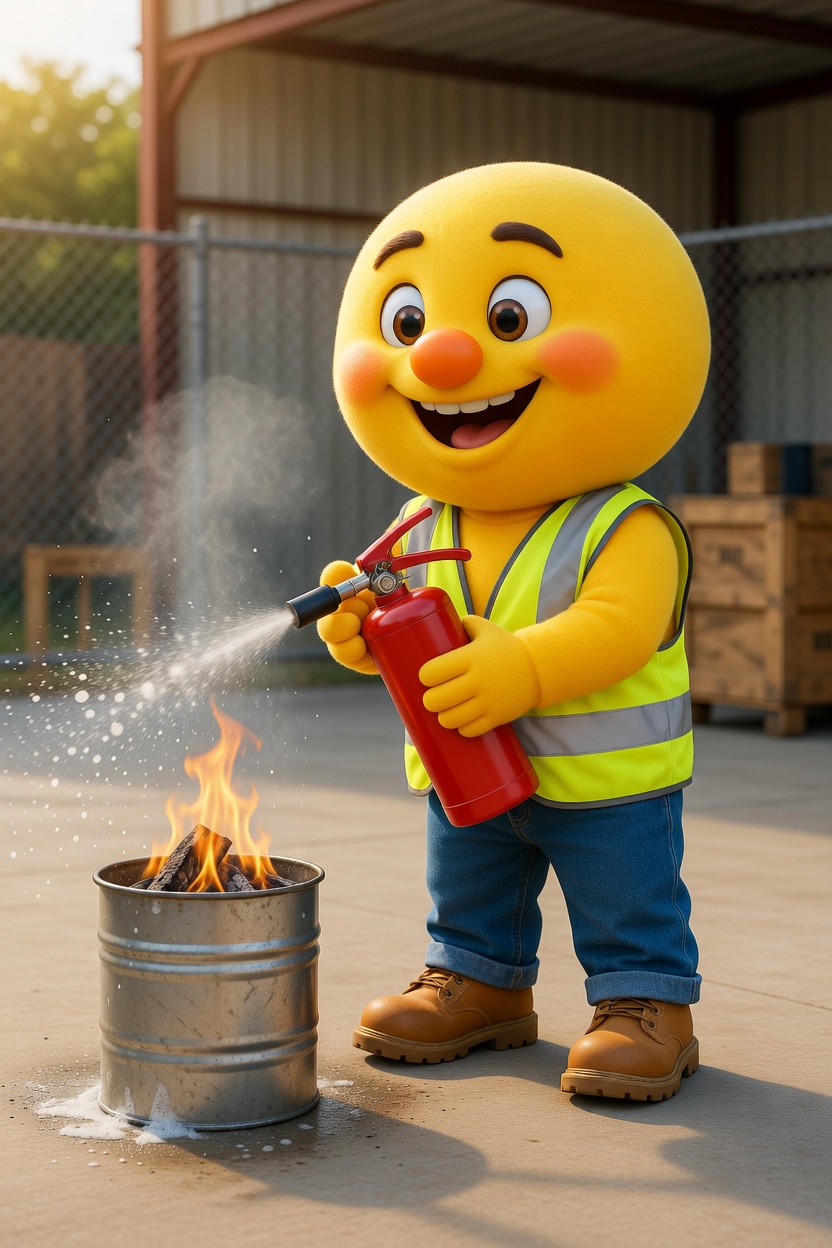
Truthfully, there are mornings when I sit with clients and hear that quiet undercurrent of worry. Not about big dramatic crises, but about the everyday “what if” moments that catch us off guard. What if something catches fire at work? Would my team know what to do, or would we all just freeze?
That’s where firefighting training comes in. Not as some distant corporate box to tick, but as a gentle, practical way to replace that low-level anxiety with a steadier sense of readiness.
Here’s what I’ve noticed in conversations with business owners and team leaders: the fear isn’t usually about the fire itself. It’s about feeling helpless when seconds count.
The quiet panic most workplaces carry
Many of us assume that if a fire starts, someone else will handle it. The security guard, the manager, and the fire department are on the way. But in those first critical minutes, it’s often ordinary people, colleagues you see every day, who are closest to the situation.
Without basic knowledge, that moment can trigger the same fight-flight-freeze response we talk about in anxiety work. Heart racing, mind blanking, everyone looking at each other, hoping someone knows the plan.
Fire-fighting training gently interrupts that pattern. It gives people clear steps instead of chaos.
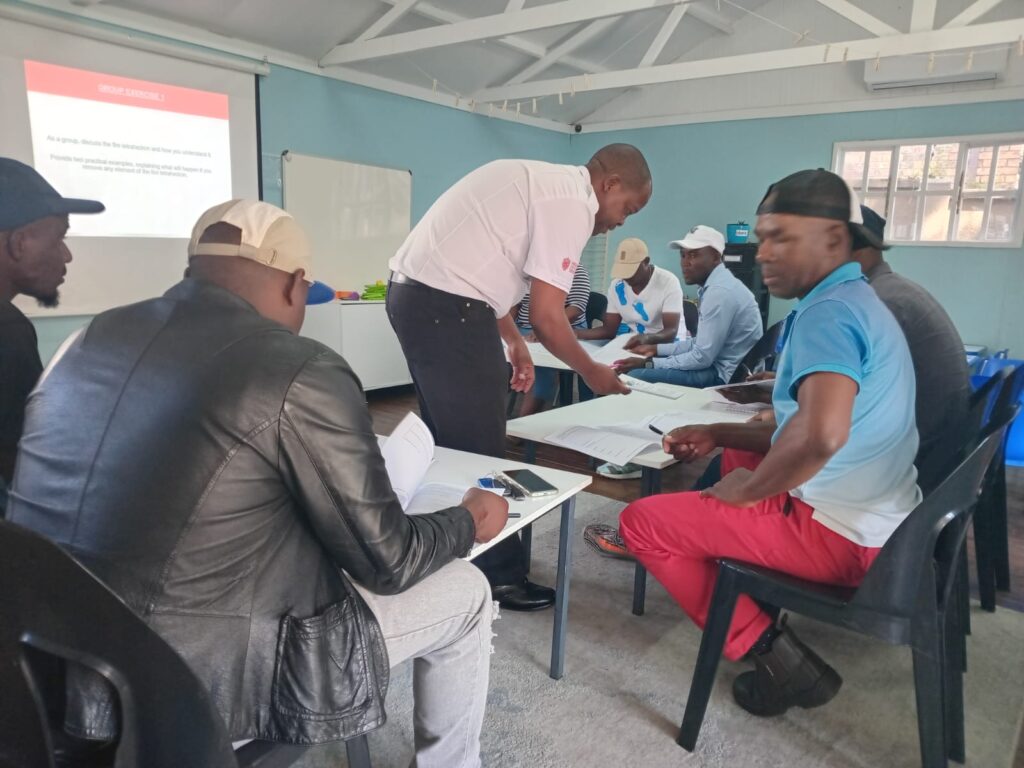
I remember one session with a client who managed a small warehouse team. She described how, after their first accredited course, the mood in the building shifted. Not because they became heroes overnight, but because the unknown felt smaller. They knew the fire triangle, they’d practised the PASS technique on a controlled extinguisher drill, and they understood when to fight a small fire and when to get everyone out.
That shift from “I hope nothing happens” to “If something happens, I know my role” is powerful.
Why the law actually helps here
South African workplaces have a clear framework under the Occupational Health and Safety Act. Employers are expected to provide information, instruction, and training so people can work safely. Fire is one of those ever-present risks that needs attention. Through risk assessments, proper equipment, and trained staff who can respond early.
It’s not about turning employees into professional firefighters. It’s about making sure someone on site knows how to use an extinguisher correctly for different classes of fire, how to raise the alarm calmly, and how to support an orderly evacuation.
A common misconception is that “we’ve never had a fire, so we’re fine.” The truth is gentler: prevention and early response training reduce the chance of small incidents becoming big ones. It’s care, not fear-mongering.
The emotional side of being prepared
From a psychological perspective, preparedness is closely linked to a sense of control. When we feel we have tools and knowledge, the brain’s alarm system doesn’t have to stay on high alert all the time. That lower background anxiety often translates into better focus, fewer sick days from stress, and stronger team trust.
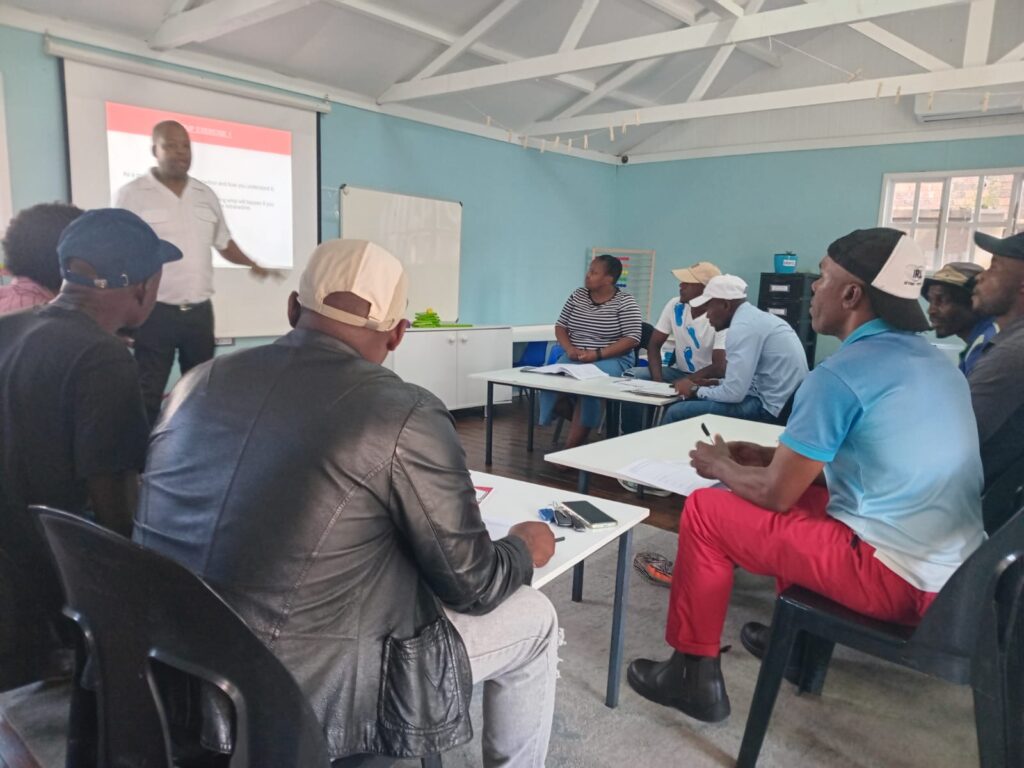
We see something similar in mindfulness work. Small, repeated practices that build resilience. Fire-fighting training works in the same way: a hands-on day that combines simple theory with real practice, so the skills settle in the body, not just the head.
One practical reframe I like is this: training isn’t about expecting disaster. It’s about quietly removing one more layer of “what if” from your team’s daily experience.
Small steps you can take right now
You don’t need to overhaul everything at once. Here are a few doable starting points:
- Have an open conversation with your team about current fire procedures. Ask what feels unclear. People often have good instincts once given space to speak.
- Check your extinguishers and exits together. A quick walk-through can highlight simple housekeeping wins, like keeping pathways clear.
- Consider pairing firefighting training with your existing first aid knowledge. The two complement each other beautifully. One supports the body after an incident, the other helps prevent or contain the emergency itself.
- Appoint a couple of willing fire marshals. The best ones are usually those who volunteer because they want to look after their colleagues, not because they were told to.
Here’s a tiny exercise you can try today, even before booking any formal training. Close your eyes for a moment and picture your usual workspace. Mentally walk the route to the nearest fire exit. Notice any obstacles in your mind’s eye. Then ask: what one small change would make that path feel clearer? Write it down. That single act of visualisation is the beginning of embodied preparedness.
A moment from practice
I once worked with a team leader who carried a lot of quiet responsibility. After his group completed basic firefighting training, he told me the drills had unexpectedly calmed his own low-grade worry. “I didn’t realise how much I was holding until I didn’t have to hold it alone anymore.” That line stayed with me. Safety isn’t just physical; it ripples into how safe we feel emotionally at work.
Gentle invitation
If reading this has stirred something, maybe a sense that your workplace could feel a little steadier, know that you’re not alone in wanting to do things properly.
We offer practical, accredited firefighting training alongside first aid here at TLC Therapies. The sessions are straightforward, hands-on, and designed to leave people feeling more capable rather than overwhelmed.
If you’d like to talk, you can reach out via our contact form or WhatsApp us on +27 66 106 1826.
FAQs about firefighting training
How long does basic firefighting training usually take? Most introductory workplace courses run for one full day. It’s enough time to cover the essentials without taking people away from their roles for too long.
Do we really need trained people if we have fire extinguishers already? Equipment alone isn’t enough. Knowing which extinguisher to use on which type of fire, and how to use it correctly, makes the difference between containing a small blaze and watching it spread.
Is this only for big factories or offices, too? It applies anywhere people work. Kitchens, server rooms, workshops; every environment has its own fire risks. Training scales to fit the setting.
How often should training be refreshed? Many teams revisit it every two to three years, or sooner if there are changes in the workplace, new staff, or after any near-miss.
What if someone is nervous about the practical part? Good instructors create a safe learning space. The drills use controlled fires, and people are guided step by step. Most participants say the hands-on part is what builds their confidence the most.
Can we combine it with first aid training? Absolutely. Many teams do both close together. It creates a more complete emergency response picture.
What makes a course accredited and worthwhile? Look for alignment with national unit standards and providers who focus on practical skills rather than just theory. The goal is competence, not just a certificate on the wall.
