First Aid Training South Africa: Essential for Safety
First aid training in South Africa is vital for schools and companies to stay compliant with the OHS Act. It equips staff with skills to handle emergencies, like CPR, and meets legal duties for trained first aiders. In a country where workplaces range from bustling offices in Johannesburg to remote schools in rural areas, having the right training can make all the difference between a minor incident and a tragedy.
Imagine a typical day at a primary school. Children are playing during break time, and suddenly one falls and injures their knee badly. Without someone trained in first aid, panic could set in, leading to delays in care. Or think about a factory floor where a worker suffers a burn from machinery. Quick action with proper knowledge could prevent infection or worse complications. This is why first aid training is not just a box to tick; it is a lifesaving investment for any organisation.
The Occupational Health and Safety Act, or OHS Act, has been the backbone of workplace safety in South Africa since 1993. It requires employers to provide a safe environment, including access to first aid. Recent updates, like the Physical Agents Regulations of 2025, emphasise prompt treatment for specific risks such as heat stress, but the core rules remain steady. For businesses and schools with more than five employees, a well-stocked first aid box is mandatory. Once you have ten or more staff, you need at least one certified first aider on-site during working hours.
Why Your Organisation Needs First Aid Training
Beyond legal compliance, first aid training brings real benefits to schools and companies. It builds a culture of care and preparedness. Employees feel valued when their employer invests in their ability to respond to emergencies. This can lead to higher morale and even lower absenteeism, as people know help is at hand if something goes wrong.
Take schools, for example. Educators deal with energetic kids who are prone to scrapes, allergic reactions, or even more serious issues like asthma attacks. First aid training South Africa, tailored for educational settings, covers child-specific scenarios, such as choking or playground injuries. It ensures teachers and support staff can act confidently, potentially saving young lives and giving parents peace of mind.
For companies, the stakes are often higher due to machinery, chemicals, or heavy lifting. In industries like manufacturing or construction, CPR training is crucial for cardiac events, which can strike without warning. Statistics from the Department of Employment and Labour show that workplaces with trained first aiders report fewer severe injuries because initial responses are effective. Plus, it reduces the financial burden of claims and downtime.
What does the training actually involve? Accredited courses, aligned with HWSETA or QCTO standards, start with basics like assessing a scene for safety. You learn to check for breathing, perform CPR on adults, children, and infants, and use an AED if available. Other modules cover bleeding control, burns, fractures, and shock management. Higher levels, like Level 2 or 3, dive into advanced topics such as spinal injuries or environmental emergencies.
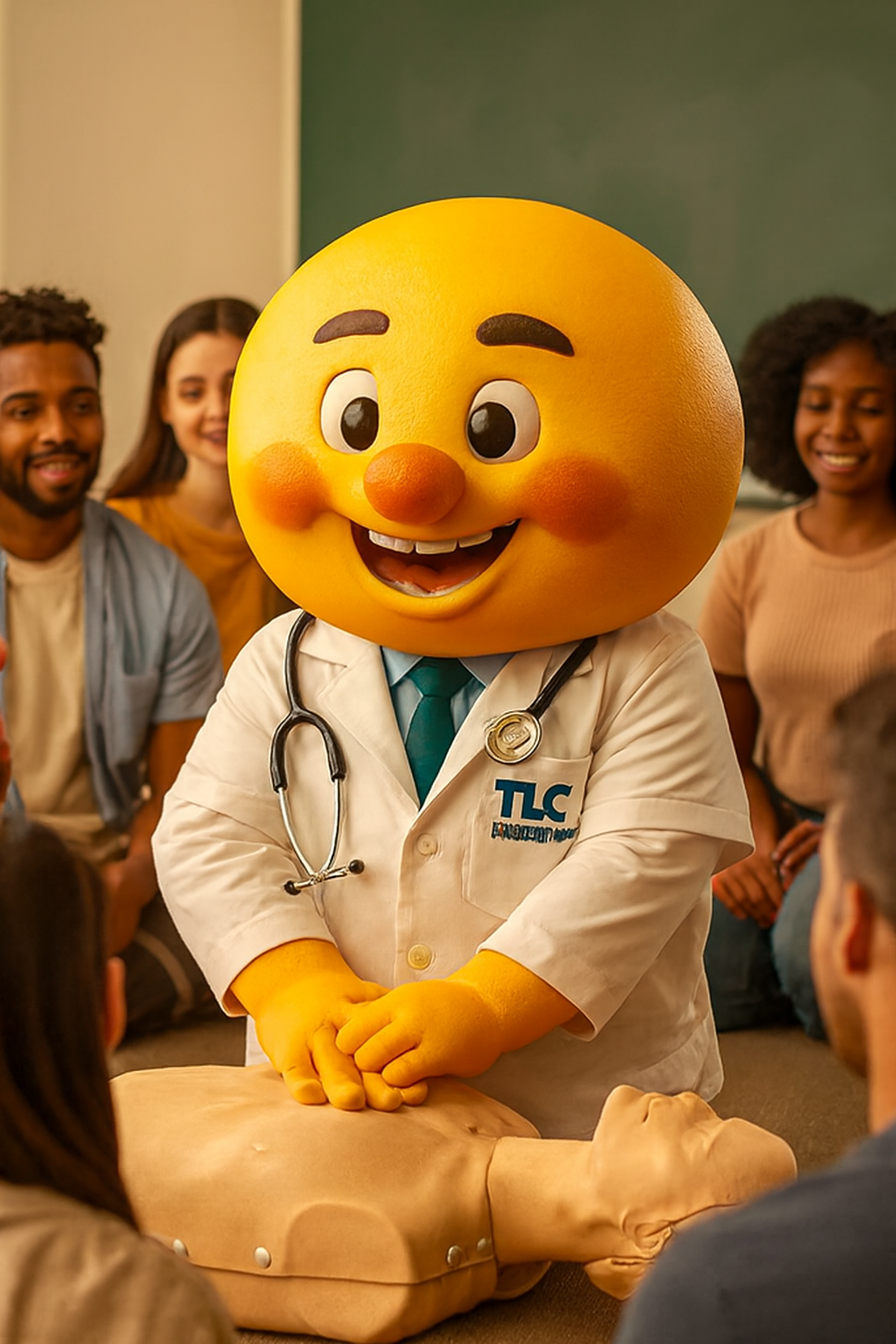
These courses are practical, with hands-on practice using mannequins and role-playing. They usually take two to three days, depending on the level, and end with an assessment. Certificates are valid for three years, after which refresher training is needed to keep skills sharp and maintain compliance.
Meeting OHS Act Requirements
The OHS Act sets clear rules to protect workers and learners. General Safety Regulation 3 outlines the details: one first aider per 50 staff in most workplaces, or per 100 in offices and shops. Schools fall under this too, as they are considered workplaces for staff, even if the primary focus is on education.
Failure to comply can result in fines, shutdowns, or legal action from the Department of Employment and Labour. Inspectors can visit unannounced, and they will check for valid certificates, stocked kits, and records of appointments. For high-risk environments, like those with hazardous substances, additional first aiders might be required.
Regular updates are key. The government gazette from 2021 (44663) mandated that all training must be QCTO-approved, phasing out older certifications. In 2026, this is well-established, ensuring quality. Providers must show accreditation, and courses should align with SAQA unit standards for credibility.
How do you choose the right training? Look for providers with experienced instructors who have real-world backgrounds, perhaps in emergency services. Class sizes should be small for better learning, and the curriculum must cover local contexts, like dealing with snake bites in rural areas or urban traffic accidents.
The Broader Impact on Communities
First aid training South Africa extends beyond the workplace or school gates. Trained individuals often apply their skills in everyday life, helping family, friends, or strangers. This creates safer communities overall. For instance, during load shedding, when accidents might increase due to poor lighting, knowing CPR could be critical.
Companies that prioritise this training also enhance their reputation. Clients and partners prefer to work with organisations that value safety. Schools with certified staff attract more enrolments, as parents seek environments where their children are protected.
Cost is a common concern, but it is affordable. Compared to the potential costs of an unmanaged emergency, it is a smart spend. Many providers offer on-site training, minimising disruption. Minimum of 7 attendees – schools or companies can combine.
Get Started Today
Ready to book?
